


You are in a rush, holding shopping bags in one hand and your phone in the other. A shop appears on your left. Does it look open? Is there a deal? Is it worth the detour? You decide in about three seconds. Your customers do exactly the same thing outside your store every November. That quick judgment is why Black Friday signage deserves real attention, not a last-minute scribble on a piece of card. A clear, well-placed message answers those questions for them. Below are practical ideas to plan, place and time your signs, written for shop owners who want results without a large marketing budget.
Popular Products









What Are the Best Signage Ideas for Black Friday and Cyber Monday?
The answer is to keep it bold, keep it simple, and place it where shoppers already look.
- Put your biggest offer on one large sign at the entrance.
- Hang sale banners across the front of the store so people notice you from the road.
- Add a smaller sign near the billing counter for last-minute add-ons.
- Print a QR code that sends shoppers to your online deals.
- Keep Black Friday signs for small businesses to one offer and one end date per sign.
- Prepare Cyber Monday promotional signs a week early so they are ready the moment the weekend ends.
Why Do Black Friday Signs Matter So Much for Small Shops?
Big retailers spend heavily on ads. You probably cannot match that, but you own something they do not: a front door that real people walk past every day. Shoppers decide in seconds whether to come in, and a clear sign answers the “what’s the deal?” question before they have to ask.
- Signs work all day without needing a staff member to explain the offer.
- Good shop signage tells people your store is active and worth a visit.
- A visible deal creates urgency, especially when it has a clear end time.
- Signs cost far less than most paid advertising and can be reused with small changes.
What Should Your Signs Actually Say?
- Short Messages Win: A shopper walking at normal speed gives you about three seconds.
- Lead with the Number: “30% off all winter jackets” beats “Huge savings inside.”
- Add a Date: “Friday only” or “Ends Sunday midnight” gives people a reason to act now.
- Use High Contrast: Dark text on a light background, or the reverse, reads best from a distance.
- Size the Text Properly: A common rule of thumb is about one inch of letter height for every ten feet of viewing distance.
- Skip the Clutter: Discount banners work best when they carry only the offer and the deadline.
- Stay on Brand: Custom signs in your own colors and logo make shoppers recognize you faster than a generic print.
Where Should You Place Signs to Reach the Most People?
Think about the path a customer takes, from the road to your door to the register. Put a message at each step.
- At the Curb: If your shop sits on a busy road, A-frame signs placed near the pavement give walkers a reason to slow down. Write one line of text and one arrow.
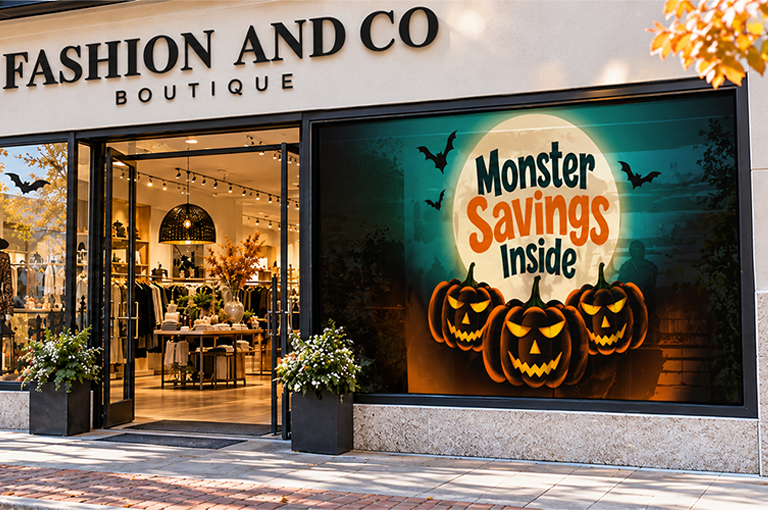
- On the Glass: Your front glass is free advertising space. Well-planned shop window signs can show your top three deals without blocking the view of the products inside.
- For Rented Spaces: Many small business owners cannot drill into walls or change the exterior. Window signs solve that, since they sit on the glass and come off cleanly after the sale.
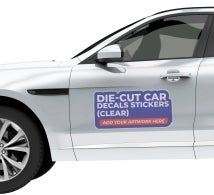
- For Quick Changes: Window decals let you switch the message between Friday, the weekend and Monday without reprinting everything. Peel one off, stick the next one on.
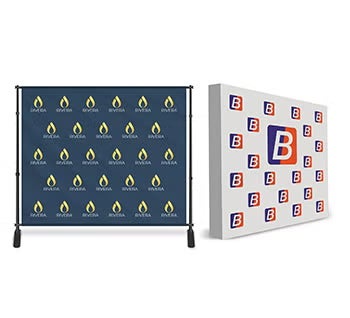
- Inside the Store: Roll up banners are easy to move, so you can stand one by the entrance on Friday and shift it near the billing desk when the rush slows.
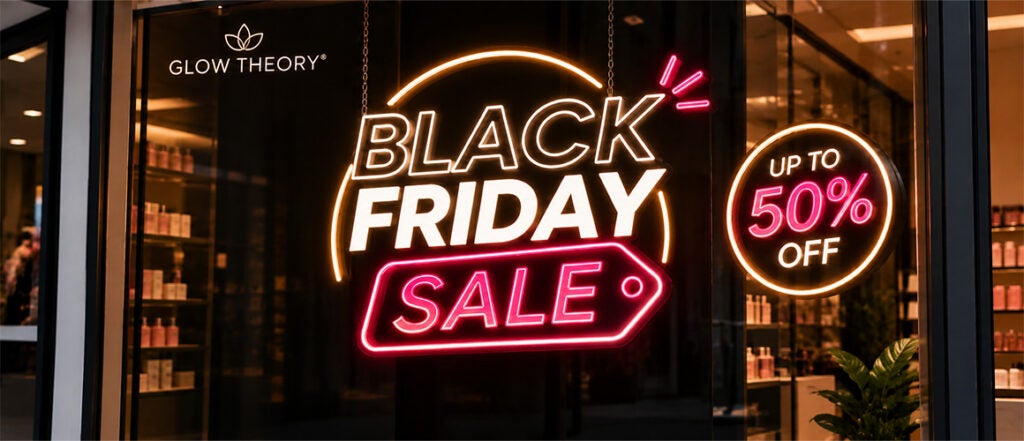
- For Evening Shoppers: A glowing “Sale On” or “Open Late” draws attention after dark, and custom LED neon signs also give a small shop a lively look that photographs well for social media.
How Can Shops Support Cyber Monday with Signs?
- Many owners focus on Friday and forget that Monday is when online shoppers are most active. Your physical space can still help.
- Put up Cyber Monday signage in-store from Saturday so walk-in customers know an online-only offer is coming.
- Add your website address and a QR code to every sign.
- Offer “order online, pick up in store” and say so clearly on the entrance sign.
- Change your window message on Monday morning so it matches the online deal.
- Mention free local delivery if you offer it. It is a strong reason to choose you over a large marketplace.
- If you do offer pickup, a simple message on pavement signs pointing to your pickup counter saves customers from wandering the aisles and keeps the line moving.
What Does This Look Like in Real Life?
Picture a small home décor store with a narrow front and heavy weekend foot traffic. Last year the owner used a single poster taped to the door. This year the plan is different: one big banner above the entrance with the headline offer, two glass stickers listing the top deals, and a pull-up stand by the register promoting a gift bundle. On Monday, only the stickers and the website line change.
The cost stays modest, the message stays consistent, and shoppers always know what the offer is. That kind of planning is the real advantage small businesses have over bigger stores.
When Should You Order and Set Up?
- Print jobs, shipping and installation all take time, so work backward from the Friday date.
- Pick your offers and write the copy at least three weeks before Black Friday.
- You should finalize designs and place your orders 15 days before.
- Install the main pieces and test how they look from across the street a week before.
- On the morning of Black Friday, wipe the glass, check lighting and confirm every sign is straight.
It helps to treat retail promotional signage like inventory. Count what you need, order a few spares, and keep them somewhere easy to reach.
What Mistakes Should You Avoid?
- Putting too many offers on one sign.
- Using tiny text that no one can read from the pavement.
- Leaving old signs up after the sale ends.
- Forgetting the date, which makes the offer feel less urgent.
- Ordering too late and settling for rushed, low-quality prints.
Conclusion
Forget perfect. A sale weekend rewards the shop that shows up with something clear, not the one with the fanciest display. Pick your best deal, write it so a child could read it, and put it up before your competitor does. Then step outside and look at your own front door. Does anything confuse you? Fix that first. By Monday, you will know which message pulled people in and which one got ignored. Keep the winner, drop the rest, and carry that lesson into every sale you run next year.