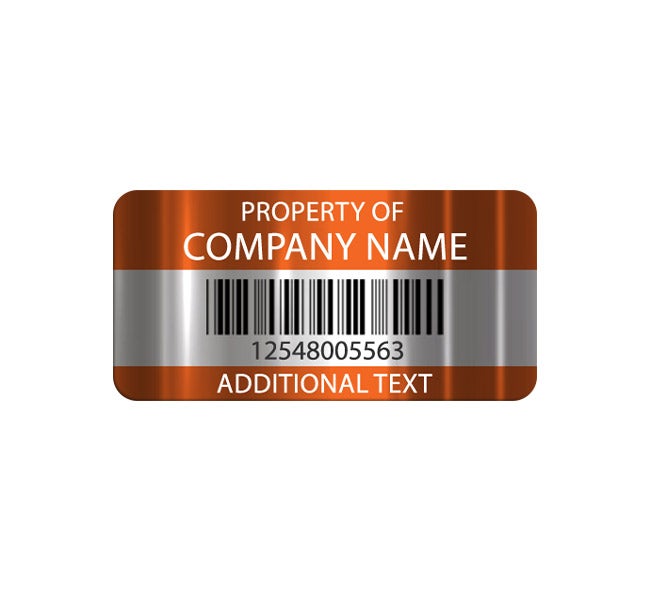



Running a business means managing stock and warehouse operations efficiently. It impacts productivity, cost and customer satisfaction by preventing errors and keeping real-time visibility of the stock. It used to be quite common for businesses to face issues related to misplaced items, inventory discrepancies or delayed order processing; all of this always results in profit loss. But today there’s a solution that every business has adopted and is working well too; we’re calling it asset tags.
Asset tags provide a unique identification for each product, tool or piece of equipment. It streamlines and tracks warehouse operations seamlessly. Let’s explore how asset tags can help enhance stock and warehouse management and understand their long-term benefits.
Popular Products







How Asset Tags Improve Warehouse Management
A warehouse includes thousands of products that move in and out on a daily basis; managing such bulk regularly can potentially lead to delays and inaccuracies. Precisely here is where an asset tag bridges the gap and proves their value. It gives each product a unique identity and makes it easier to locate and track products throughout the years.
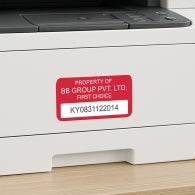
So, if you still have to wonder; how do asset tags improve warehouse management, the answer lies in the way the entire operations are streamlined. With scannable tags such as barcodes or QR codes, the warehouse staff can instantly update the records in a centralized system. This eliminates all the guesswork that was involved and removes any potential manual errors. This efficiency leads to faster stock checks, accurate order fulfillment and better control over the resources.
Benefits of Asset Tags for Stock Tracking
Stock tracking is one of the most time-consuming aspects of warehouse management. This can potentially slow down the entire business operations and impact the end result, which is customer satisfaction at the end of the day. However, with asset tags, businesses have access to multiple benefits of asset tags for stock tracking, which includes:
- Real-time Visibility: Watch instant updates whenever any item is scanned.
- Faster Audits: This calls for quick and accurate checks during monthly/yearly inventory.
- Accountability: Understand where exactly any item is located and who was the last one handling it.
- Reduced Discrepancies: Slimmer chances of mismatched data between stock records and actual goods.
Read More: How Asset Tags Help Businesses Streamline Operations This Holiday Season
Role of Asset Tags in Reducing Warehouse Errors

It is common for any warehouse to come across problems like misplaced items, doubled entries, or shipment errors. These losses cost businesses time and money. The role of asset tags in reducing warehouse errors is critical, as it brings accuracy to everyday processes.
Take QR asset tags as an example; they ensure that the right product is chosen and dispatched, which eventually helps in avoiding delivery of mistakes that are costly. Similarly, tagging helps staff organize stock better, minimizing confusion during busy periods.
Asset Tags for Efficient Warehouse Operations
Efficiency in warehouse management is all about speed, accuracy and accountability. Implementing asset tags for efficient warehouse operations ensures that businesses can efficiently streamline every step of the workflow; whether it’s about receiving goods, or getting them dispatched.
- Receiving: Items that arrive can instantly be tagged, and their record is available on the system immediately.
- Storing: Tagged goods are placed in designated locations that reduce the chance of misplacement.
- Picking and Packing: Items that are scannable are easy to verify before they’re out for shipping.
- Returns Management: Asset tags help simplify tracking any goods that have to be returned.
Best Asset Tags for Inventory Management

Not all tags are alike. Opting for the best asset tags for inventory management depends on what your business looks like, what kind of products are being handled and what condition your warehouse is in. Some of the most effective options include:
- Metal Labels: Metal barcode labels are best suited for heavy-duty equipment or items stored in harsh conditions, as they are resistant to extreme conditions.
- Destructible Tags: Talking about destructible asset labels, they are great for stock carrying high value.
- QR Tags: Ideal for fast-paced routines, these are great when it comes to a quick scan. They store more data than traditional barcodes, and are highly versatile.
Long-Term Value of Asset Tags in Warehouse Management
Beyond the immediate benefits of error reduction and efficiency, asset tags provide long-term value for businesses. Businesses that invest in an asset tag, with time notice:
- Lesser stock discrepancies
- Reduced theft or unauthorized asset usage
- Better stock planning
- Improved compliance with audit requirements
With data that is accurate and is available at an instant, it helps the respective authorities make informed decisions about procurement and logistics that further strengthen the overall business performance.
Read More: Steps for Effective Asset Management with Metal Asset Tags and Labels
Final Thoughts
With effective warehouse and stock management, it is easy to predict how successful the business is going to be in the future. With no tracking systems around, companies are easily risking errors, delays and losses. But, with asset tag integration, businesses can significantly enhance accuracy, accountability and efficiency, all at the same time.
Therefore, investing in the best asset tags for inventory management ensures smoother workflow and growth that is long-term.